
Honda Vezel Kenya Ultimate Buying Guide: Price, Variants, Pros & Cons, Chassis Codes, and Best Model
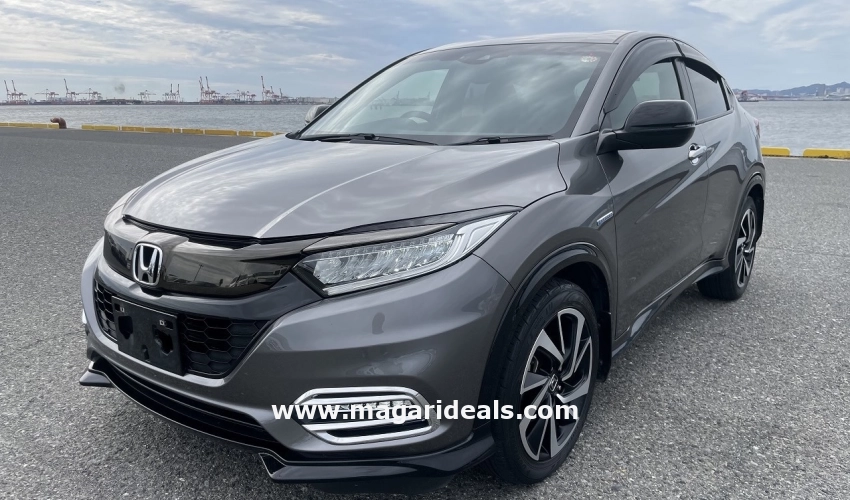
Honda Vezel Kenya Ultimate Buying Guide: Price, Variants, Pros & Cons, Chassis Codes, and Best Model to Buy
Introduction
The Honda Vezel has quietly become one of the most sought-after compact crossovers on Kenyan roads. From Nairobi’s traffic-packed highways to estate roads filled with speed bumps and potholes, this Japanese import has proven itself as a practical, fuel-efficient, and reliable daily driver. Many Kenyan buyers even consider it a compact sedan alternative, thanks to its easy driving nature, manageable size, and impressive fuel economy.
Unlike larger SUVs that come with higher fuel and maintenance costs, the Honda Vezel offers a balanced middle ground. It looks modern, feels premium enough, and—most importantly—makes financial sense in a market where fuel prices and running costs matter more than raw performance.
This guide is written specifically for the Kenyan market. It covers everything you need to know before buying a Honda Vezel in Kenya: generations, hybrid vs petrol, chassis codes like RU1, RU2, RU3, RU4, ownership costs, comparisons with popular alternatives, and a detailed buyer checklist to help you avoid costly mistakes. If you’re serious about buying a Vezel, this is the one article you’ll want to read all the way through.
What Is the Honda Vezel? (Kenya Context)
The Honda Vezel is Honda’s entry into the subcompact crossover SUV segment, but in Kenya, it occupies a very unique position. Many buyers cross-shop it with sedans such as the Toyota Axio, Premio, and Honda Grace, mainly because the Vezel delivers similar fuel efficiency while offering better ground clearance and a more modern design.
Globally, the car is known as the Honda HR-V, but vehicles imported from Japan carry the Vezel name. Most Honda Vezels in Kenya are used Japanese imports, typically between 2014 and 2020 models, with low mileage and relatively high auction grades.
The Vezel is ideal for:
Urban commuters in Nairobi, Thika Road, and Mombasa
Small families looking for comfort without a large SUV
Buyers upgrading from a sedan but not ready for a big SUV
Anyone prioritizing fuel efficiency and resale value
In simple terms, the Honda Vezel feels like a sedan that grew smarter—more practical, more versatile, and better suited for Kenyan conditions.
Honda Vezel Design and Practical Appeal
Honda’s design approach with the Vezel has always been about blending sportiness with everyday usability.
Exterior Styling
The first-generation Vezel (2013–2021) introduced a sleek, coupe-like profile that still looks good today. Hidden rear door handles, sharp body lines, and compact proportions give it a youthful yet mature appearance.
The second-generation Vezel (2021–present) adopts a cleaner, more refined design. It looks wider, lower, and more premium, appealing to buyers who want a subtle but modern look rather than aggressive styling.
Interior Comfort
Inside, the Vezel feels well put together. Honda focused on ergonomics:
Logical button placement
Comfortable seats for long commutes
A quiet cabin, especially in hybrid models
Ground Clearance and Kenyan Roads
This is where the Vezel wins over sedans. Kenyan roads are unpredictable—speed bumps, broken tarmac, and occasional rough patches are unavoidable. The Vezel’s higher ground clearance makes daily driving less stressful and reduces the risk of scraping the underbody.
Honda Vezel Chassis Codes Explained (RU1, RU2, RU3, RU4)
For Kenyan buyers importing from Japan, chassis codes are extremely important. They determine whether the car is hybrid, petrol, 2WD, or AWD.
Here’s a simple breakdown:
| Chassis Code | Drivetrain | Engine Type | Notes |
|---|---|---|---|
| RU1 | 2WD | Petrol | Cheapest option, simple maintenance |
| RU2 | AWD | Petrol | Rare in Kenya, higher fuel use |
| RU3 | 2WD | Hybrid | Most popular in Kenya |
| RU4 | AWD | Hybrid | Very rare, higher cost |
Which Chassis Is Best for Kenya?
RU3 (Hybrid, 2WD) – Best overall choice for fuel economy and resale
RU1 (Petrol, 2WD) – Best for tight budgets
AWD models are generally unnecessary unless you live in very hilly or rural areas
Understanding these codes can save you from buying the wrong variant.
Honda Vezel Generations and Variations
First Generation (2013–2021)
This is the most common generation in Kenya.
Petrol Variants
1.5L naturally aspirated engine
Reliable and easy to maintain
Lower purchase price
Hybrid Variants
1.5L engine + electric motor
Outstanding fuel economy
Higher demand and resale value
Second Generation (2021–Present)
Still relatively rare in Kenya due to cost, but growing in popularity.
Hybrid e:HEV
Feels almost electric in city driving
Extremely smooth and quiet
Best fuel efficiency in the lineup
Engine Options and Driving Experience in Kenya
The Vezel is not a performance car—and that’s exactly why it works so well in Kenya. Petrol models feel adequate for daily driving, while hybrids shine in traffic-heavy areas like Nairobi. However, the RS version a sporty appearance, improved handling and more premium features.
Hybrids offer instant electric torque, making stop-and-go traffic less tiring. On highways like the Nairobi–Nakuru road, the Vezel remains stable and confident, though overtaking requires planning.
Fuel Economy and Real-World Running Costs in Kenya
Fuel efficiency is one of the biggest reasons Kenyans choose the Vezel.
Petrol models: ~12–14 km/l
Hybrid models: ~20–25 km/l (real-world Kenyan conditions)
With fuel prices remaining high, hybrids offer significant long-term savings, especially for daily commuters.
Interior Space, Comfort, and Practicality
Honda’s Magic Seats allow flexible cargo configurations. You can carry luggage, shopping, or even small business goods with ease. Rear seat space is comfortable for adults, making the Vezel suitable for small families.
Technology, Safety, and Infotainment
Higher trims come with:
Touchscreen infotainment
Reverse camera
Honda Sensing safety features
Safety is solid, and the car feels reassuring even at highway speeds.
Pros of the Honda Vezel in Kenya
Excellent fuel economy
Proven Honda reliability
High resale value
Readily available spare parts
Comfortable for daily use
Cons of the Honda Vezel in Kenya
More expensive than compact sedans
Not suitable for aggressive driving
Hybrid myths still scare some buyers
Honda Vezel vs Popular Kenyan Alternatives
Compared to the Subaru XV, the Vezel is cheaper to run. Against the Toyota C-HR, it offers better interior practicality. Older Mazda CX-5 imports feel larger but cost more to maintain.
Best Honda Vezel to Buy in Kenya
Best Overall: 2016–2019 Honda Vezel Hybrid (RU3)
Best Budget: 2014–2015 Petrol (RU1)
Best Premium Option: 2021+ e:HEV
Honda Vezel Price in Kenya
Prices vary based on year, grade, and condition, but generally range between KES 2.2M and KES 3.8M.
Ownership Experience in Kenya
Maintenance is affordable, hybrid batteries are durable, and resale demand remains strong. Many units comfortably exceed 200,000 km with proper care.
Buyer Checklist for Honda Vezel in Kenya
Before Importing
Confirm chassis code (RU1 vs RU3)
Check auction grade (4 or higher recommended)
Verify mileage and service history
Before Buying Locally
Scan for hybrid error codes
Inspect suspension and bushings
Confirm genuine mileage
After Purchase
Change fluids immediately
Use a trusted hybrid technician
Insure comprehensively
Is the Honda Vezel Worth Buying in Kenya?
Yes. If you want sedan-like efficiency with better road presence and flexibility, the Honda Vezel is one of the smartest buys in the Kenyan market today.
Future of the Honda Vezel in Kenya
Hybrids will continue to dominate, and newer e:HEV models are likely to gain popularity as buyers become more fuel-conscious.
Conclusion
The Honda Vezel succeeds because it fits Kenya’s realities perfectly. It’s efficient, reliable, practical, and easy to live with. Whether you’re upgrading from a sedan or downsizing from a bigger SUV, the Vezel remains one of the safest and smartest choices you can make.
FAQs
1. Is the Honda Vezel hybrid expensive to maintain in Kenya?
No. With proper care, maintenance costs are manageable.
2. Which chassis code should I avoid?
AWD variants unless you specifically need them.
3. Is the Vezel good for long trips?
Yes, it’s comfortable and fuel-efficient.
4. Does it handle Kenyan speed bumps well?
Much better than sedans.
5. Is it a good first car in Kenya?
Absolutely.
Please don’t forget to leave a comment.
0 Comments